Start Your “Body TransMutation”

Yes, I know what you are thinking.  What the hell is a Transmutation?

Let’s just say the term “transformation” feels overused, so I took it a step further and chose a term from biology that signifies a change so profound it could mean becoming an entirely different species. “Transmutation” suggests a shift at the molecular level, and if proof is needed for its accuracy, I can point to my diet plan, which changes the body’s primary fuel source from glucose to ketone bodies. Now, how’s that for a buzzword?

Now let’s talk about the changes that are coming in the following 26 weeks.

Right Now, I am what is called an Obese Type III. That is the classification that I get being 5′ 9″ and weighting 308 pounds and having 43.5% of Body Fat and with 55″ of abdominal width.

THERE ARE MANY CHANCES FOR IMPROVEMENT

But how about reducing a 25% of body weight
Control blood sugar enough to get out of the Prediabetic class
Reduce to a minimum my Sleep Apnea issue (this is a big one)
Get 4 sizes down on pants to a more common 40
Increase muscle mass while reducing fat
Get my basal insulin levels to a normal state (another big one)

So, starting next week (12/6), I will keep a journal of progress for this project.
I will sure make a way to share it online in case you want to look at results with more detail.

Follow me in my long travel to a healthier me.  🙂

Doing some cleaning to avoid temptations

foodcloset

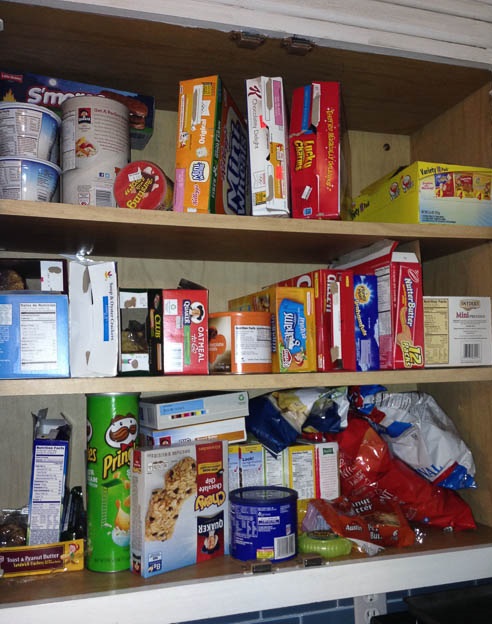
Let’s be real! It’s already hard enough to stay focused on the street with all the unhealthy food ads that have no place in our diet. We need to make sure our own home isn’t a spot where we sabotage our eating plan. So, here’s my tip for today…

Clean out your food closet! While this isn’t my own pantry, I’m sure many people have something similar. The truth is, no matter what weight loss plan you choose, most of the items shown here are definite no-no options.

By now, you probably have a sense of what the problem is. Coming home shouldn’t feel like another test of willpower. It should be a place where you feel safe, relaxed, and surrounded by food that supports your health goals instead of undermining them.

Do I want you to throw things away? Absolutely. Don’t fall into the trap of thinking you’re wasting money. If you catch yourself feeling “What a waste” while decluttering, simply don’t feel guilty. You’re doing something important to stay on track. So go ahead! CLEAN OUT THAT FOOD CLOSET!

I will see you on our next post.    🙂

Spot Reduction? No, there is no such thing!

spotreduction

You might not be familiar with the term “spot reduction,” but I’m sure plenty of people still believe it’s possible, even today. Maybe even you!

Spot reduction is a fitness myth claiming that exercising a specific area can reduce fat in just that part of the body. For example, if someone has belly fat, they might believe doing lots of crunches will target and burn fat in that area. This idea was hugely popular in the fitness industry during the 80s, so much so that many industry icons, built part of their fame by promoting the spot reduction myth.

tonylittle

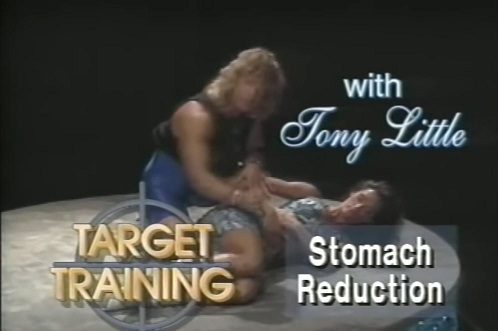
Tony Little, remember him? The fitness celebrity who called himself “America’s Best Trainer” was famous for promoting spot reduction workouts. His program, “Target Training,” was a massive hit. I even had the tapes. What can I say… back in the 80s, the theory seemed perfectly logical.

You’re probably wondering two things: First, if spot reduction is a myth, why are crunches still recommended? And second, if spot reduction isn’t real, then how do you actually lose fat?

To answer the first and part of the second question, crunches are still a great exercise for building strong abs. If your goal is to have washboard abs in the future, you’ll need to strengthen your abdominal muscles and reduce body fat, so those muscles become visible. That’s why crunches remain a solid choice. Just remember, there’s a right and wrong way to do them, so be sure to research proper form to avoid injury.

For our second question, fat is reduced evenly across the body through a combination of exercise, a proper diet, and adequate rest. As simple and amazing as it may sound, that’s the winning formula. Here at TheHetaBlog, we’ll be talking about this a lot.

Now, please, pay attention (especially if you are very fat or obese):
DO NOT, let me say that again,
DO NOT START A HEAVY WORKOUT TRAINING WITHOUT MEDICAL SUPERVISION. This is your life we are talking about.  Do the right thing and check your condition first and choose your training later.  If you are too out of shape, probably it will be something simple like walking, but let’s someone who understand the condition of your body do the call.

So, there you have it! You can’t lose fat in just one spot, just like you can’t lower the water level from only one corner of a pool by scooping water out there. The water level will drop across the whole pool, just like fat loss happens throughout your entire body.

Now that you know, the next time that you see someone talking about “spot reduction” or just saying something like “I got these exercises that will take away the fat from insert spot here“, do that person a favor and teach him.

Or better yet… Say to look for the answer here at     http://www.thehetablog.com        🙂

Meet the enemy of every weight loss plan! Don’t be deceived by its sweetness

Every weight loss plan is built on its own set of rules and knowledge. Mine is no different, and I believe the Ketogenic Diet has shown enough evidence to prove it’s a solid step toward overcoming insulin resistance. As mentioned in our last post, insulin resistance is something we need to avoid at all costs, as it opens the door to many health problems.

Maybe you’re not following Keto and have your own plan that you trust will bring results. That’s totally fine! Here’s a bit of advice that can apply to any diet if you’re overweight or obese like I am.

CUT DOWN ON THE SUGARS!!!

Sugar is in almost everything we eat, and even if you don’t see “sugar” listed in the ingredients, it’s often hiding under other names like high-fructose corn syrup (HFCS), dextrose, sucrose, fructose, lactose, and more.

Now, don’t get me wrong. It’s not that our bodies can’t handle a normal amount of sugar; it’s actually a primary source of energy. But you likely consume more sugar than you need, and certainly more often than necessary.

Another thing to consider is the type of sugar. I mentioned high-fructose corn syrup (HFCS), and you’ll be doing yourself a big favor by avoiding it like the plague. Instead, get your daily dose from whole fruit (not juice), which comes with fiber to help prevent the glucose spikes we often get from liquid sugars like juices.

Try this experiment: write down everything you eat in a day, including snacks, and then use an app like “My Fitness Pal” to find out how many carbs, or what will be converted to sugar (glucose), you’re consuming. To do this, take the carbs value of each food, subtract the fiber, and you’ll get the Net Carbs. Then, add them up for your total for the day.

Let’s do an example:
A regular Peanut Butter Sandwich and a can of Coke.

Two slices of white bread:  25.3g – 1.2g = 24.1g
Two spoons of peanut butter = 7g
One can of Coca Cola = 39g

Our little snack means 70g of Carbs

This is about the maximum for any low-carb diet and roughly a third of a diet that doesn’t limit carb intake. My suggestion for this test? Skip the Coke and swap the white bread for a high-fiber option like German pumpernickel.

If you get into the habit of reading labels, you might realize you’re consuming more sugar than you think. Too much sugar can quickly lead to insulin resistance and, if left unchecked, type 2 diabetes. So, let’s get into minding the amount of carbs that we get into our body, as it is quite possible that you are having more than you need.

See you on our next post.

Insulin Resistance… You Got to Understand THIS!!

Dear Reader:

I’m not sure how far off your regular weight you might be. But if it’s a significant amount, and you’re dealing with a large abdomen while struggling to lose weight, it’s possible you could be experiencing something known as Insulin Resistance.

Ok, let’s begin with the standard definition.

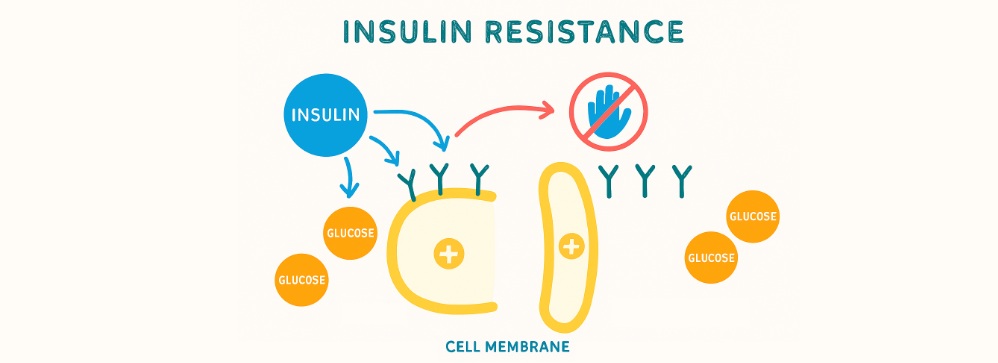
Insulin resistance (IR) is a pathological condition in which cells fail to respond normally to the hormone insulin.

The normal response of cells to insulin is quite simple: insulin allows cells to absorb glucose from the blood. In other words, insulin is the hormone that transports blood sugar, or glucose, from the bloodstream into the cells. Under normal conditions, the pancreas releases a specific amount of insulin, which helps deliver the glucose from your last meal to your cells—essentially feeding them.

In insulin resistance, the cells resist or reject the effects of insulin. This condition usually develops over many years due to excessive carbohydrate intake. To compensate, the pancreas produces more insulin to overcome the resistance, nourish the cells, and maintain normal blood sugar levels, which is a top priority for the body.

You might wonder: If my pancreas can handle insulin resistance, why should I be concerned about it?

This vicious cycle can’t continue indefinitely without leading to harmful consequences. Over time, your cells become more resistant, forcing your pancreas to produce more insulin to keep blood sugar levels normal. Eventually, your pancreas won’t be able to produce enough insulin to combat the resistance, and your blood sugar levels will begin to rise. At this point, maintaining normal blood sugar levels becomes much harder, and this condition is known as prediabetes.

You don’t need to be a genius to see where this is headed. Insulin resistance is essentially the precursor to Type 2 Diabetes. If you’ve ever wondered why the medical approach to treating Type 2 Diabetes often involves adding more insulin to your body (to support an overworked pancreas), now you know. Type 2 Diabetes is simply an advanced stage of insulin resistance.

Another important reason to avoid insulin resistance, especially if you’re trying to lose weight, is this: when insulin levels are high, the body won’t burn fat. Insulin is often referred to as “The Storage Hormone” for good reason. Glucose is either used by the body as fuel or stored as fat for future use.

In my recent blood test, my insulin levels were three times higher than the maximum normal range, but my blood glucose levels were normal. This happens because my pancreas is overworking, producing 300% more insulin to maintain normal blood sugar levels. If I don’t address this issue, I’ll likely end up with Type 2 Diabetes. Oh, and did I mention that losing fat is going to be incredibly difficult with my current insulin levels?

I’m confident you understand what insulin resistance is and the harm it can cause to your body. In the next post, we’ll discuss some steps you can take to address it.

Hint: Our diet helps combat this condition.

See you on the next post.

Ok, I screw up… Now what?

Haagen-Dazs-Logo

I have to admit it, I was feeling low and gave in to temptation.    😦
Knowing that ice cream is packed with sugar, it’s a tough setback for a diet like the Ketogenic Diet, especially at the start.

The first question is, “What do you do?” and the answer is simple… YOU STOP! And don’t say it’s obvious, because for people like us, it’s not. It wasn’t logic that led you to break your diet, so why assume it will be logic that gets you back on track?

It’s pretty common to feel guilty after indulging in the forbidden fruit, uh, I mean, food. Just as common is the “What the hell, I’ll start again tomorrow” mindset. Avoid falling into that trap. When something goes wrong, don’t make it worse; learn from the experience and move forward.  If you notice your car has a flat tire before heading to the office, what do you do? You fix the tire and get on your way! You don’t pull out a knife, and slash the other three tires, right? But that’s essentially what you’re doing when you eat something you weren’t supposed to and decide to ruin the rest of the day.

Wait a minute! What about the learning part? Pay attention to the things that tripped you up. You were feeling a bit down (defenses low), and you walked right past that place selling your favorite “sin food.” Next thing you know, you’re stuffing your face. So, if I’m feeling down, I won’t go there, or I won’t go there alone. This is just a small example. You’ve got the key to your own control, use it!

Don’t feel bad for breaking your diet; feel good about the lesson you learned. However, in the case of Keto, breaking the diet with sugary foods can have significant consequences. The first is that you’ll fall out of Ketosis, and it might take a few days to get back on track.

That’s tough news, but I want to let you know that I have a plan to bounce back quickly. Stay tuned for more details in the next post!   🙂

Every Morning, This Should be FIRST!

mwater

Clear and Simple, right after you wake up, the first thing that you should do is to reach for two 8 ounces glasses of water.

Here are some of the benefits of this old Japanese custom:

Rehydrates your body
Flushes out toxins and aids regular bowel movements
Alleviates Heartburn and Indigestion
Improves blood circulation

Is not common to get some many benefits out of one single change.

Wouldn’t be great if we could incorporate one healthy habit each month?
If you like the idea, this is a great place to start.

Monitoring Our Weight Loss Plan – PART III

MonitorLevels

Alright, everyone, we’ve reached the final part of our three-post series, “Monitoring Our Weight Loss Plan,” and I’m confident that you’ll be somewhat familiar with the following monitoring options.

Let me start by saying that I find surprising how many personal trainers overlook the importance of tracking short-term progress. As someone who is obese, I understand the strong desire for results and how a small boost at the end of the first week can make all the difference between sticking with the program or giving up.

To understand and track short-term results effectively, close monitoring is essential. With that in mind, here are the three levels of monitoring I recommend:

LEVEL 1: This is the most basic level, assuming you already have a digital scale that measures weight and fat percentage (as recommended in previous posts). Simply step on your scale, record the readings along with the date in a notebook. The best time to do this is in the morning, right after waking up.

In summary:

  1. Wake up Monday (try to start at the beginning of a week) and take your weight and fat % readings and jot them down on a notebook or even a piece of paper.
  2. The next Monday morning, take again your weight and fat % and compare them to your last Monday readings.  CELEBRATE YOUR RESULTS!!

Note:  Remember than 1-2 pounds is perfectly normal as a weight loss rate.

LEVEL 2:  The second level of monitoring involves doing Level 1 plus using software that acts as a fitness diary. Level 2 requires discipline to fully utilize the software, as it often involves logging meals, measurements, and workout sessions. The reward is the wealth of information you gain, such as macro percentages, calorie data, reports, and graphs. I recommend the excellent “My Fitness Pal,” which boasts the largest meal database, extensive output information, and availability on all platforms. Checking out a few reviews, such as on YouTube, is always a good idea to understand the product and how to use it effectively.

LEVEL 3:  Level 3 monitoring is the highest level of commitment, combining the previous two levels with using a Smart Watch or Fitness Band to track personal fitness data. For example, if your daily goal is walking 10,000 steps (a goal that could merit its own discussion), these devices let you know whether you’ve hit your target and, if not, how much you fell short.

Keep in mind, Level 3 encompasses the earlier levels as well, so simply owning an Apple Watch or Fitbit doesn’t mean someone is fully committed to the regimen. For us, Level 3 signifies genuine dedication and consistency. The best part is that these devices can sync with MyFitnessPal, automatically transferring all your recorded steps to the workout section—a super convenient feature.

When it comes to choosing a device, it really depends on what you’re looking to get out of it. Do I need a $400 Apple Watch just to track my daily steps? Of course not! But I’m not ruling out the idea that you might want a device with a range of features, allowing you to explore and grow by using them one step at a time.

At the time of writing this, I recommend the following:

Fitness Bands (less expensive basic devices)

Xiaomi Smartband 9     4/5
Fitbit Inspire 3   3/5
Samsung Galaxy Fit 3   5/5

SmartWatchs (Full fledge advanced monitoring devices)

Samsung Galaxy Ultra (2025)     5/5
Apple Watch Series 11   5/5

AAs always, it’s your choice how to stay on top of your progress, make the decision and start following through. You can begin with Level 1, then move to Level 2 and stick with it until you’re comfortable, and only then advance to Level 3. Or, if you feel Level 1 is sufficient, that’s an option too. Just don’t overlook these powerful tools that can significantly boost the chances of your plan’s success.

Goodbye and good monitoring!